Afifa Kallouh
Program Coordinator – NCCT
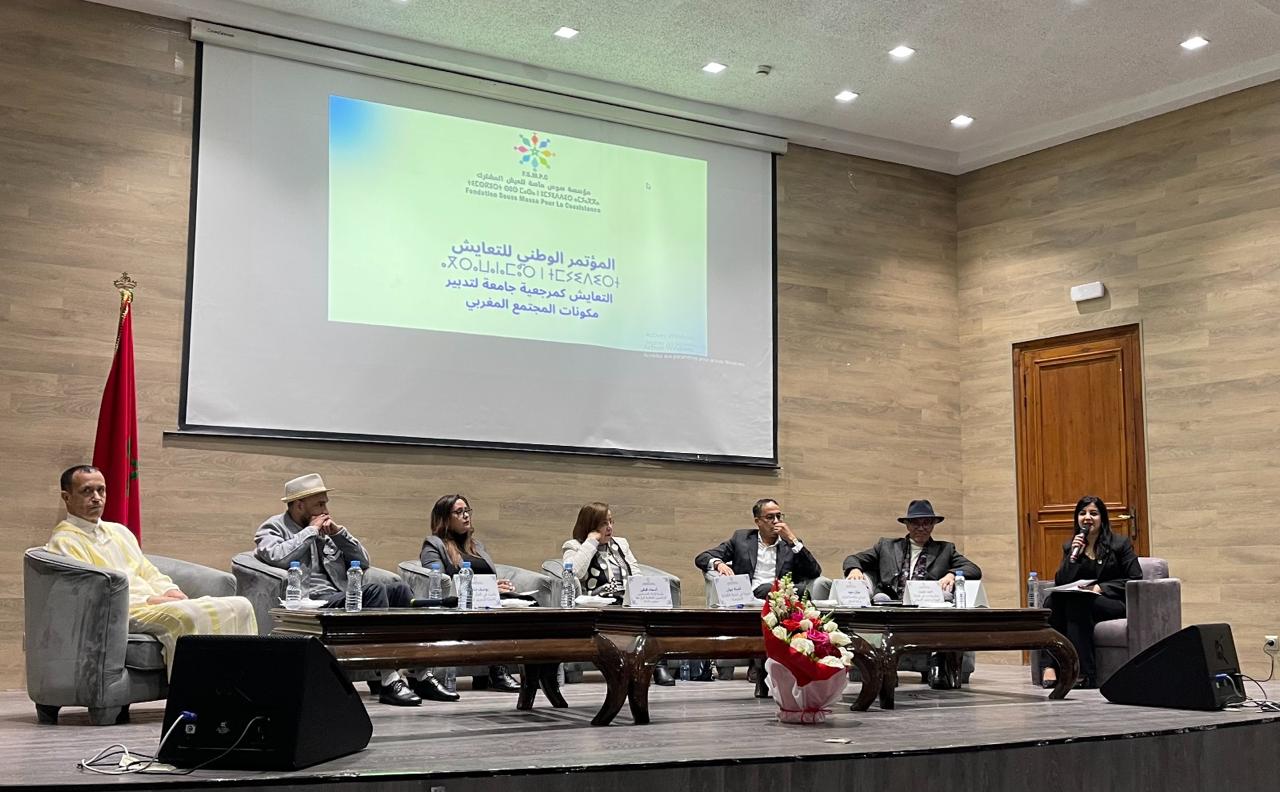
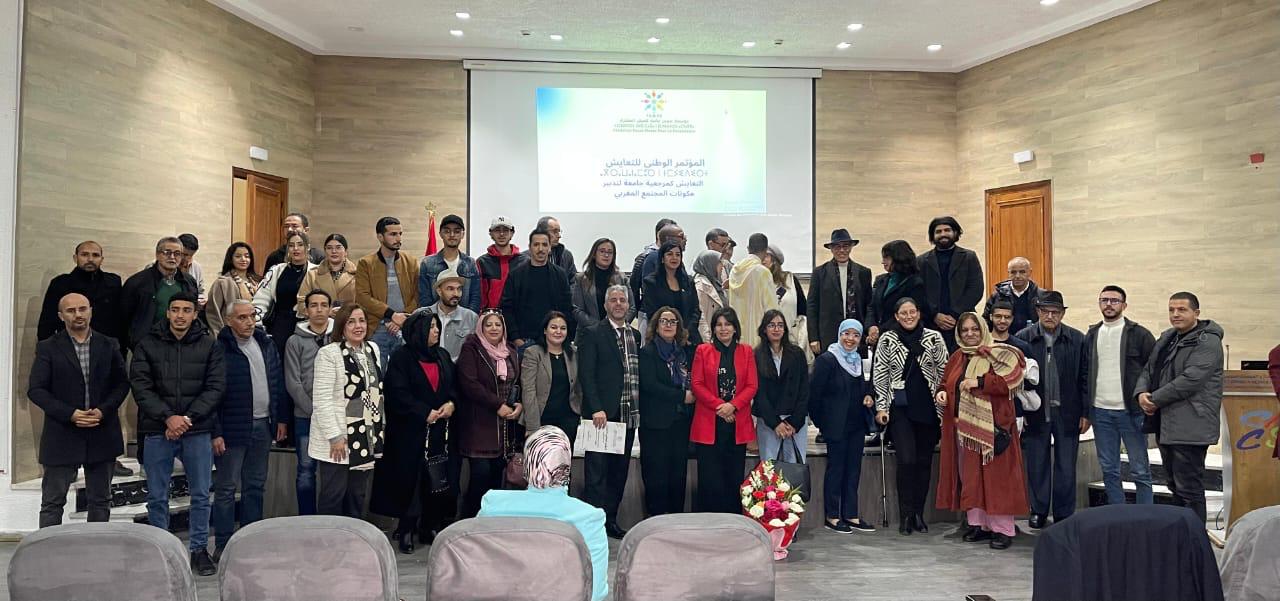
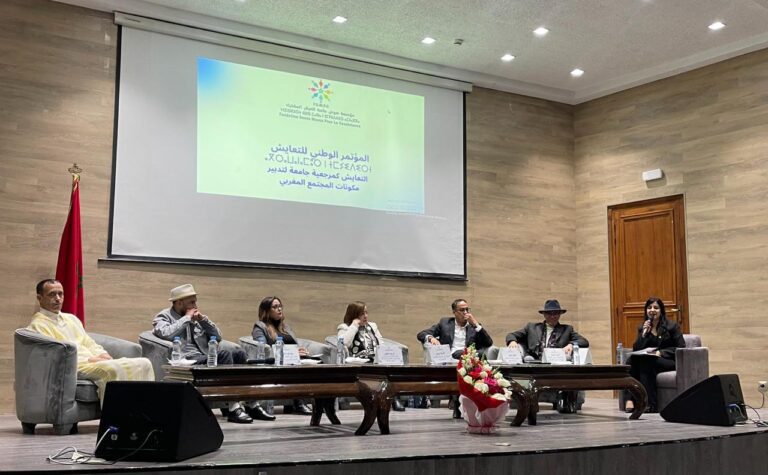
On 24 January 2026, the Nordic Center for Conflict Transformation (NCCT) participated in the National Conference on Coexistence: “Coexistence as a Universal Reference for the Governance of Moroccan Society”, organized by the Souss Massa Foundation for Coexistence at the Chamber of Commerce, Industry and Services of Souss Massa in Agadir.
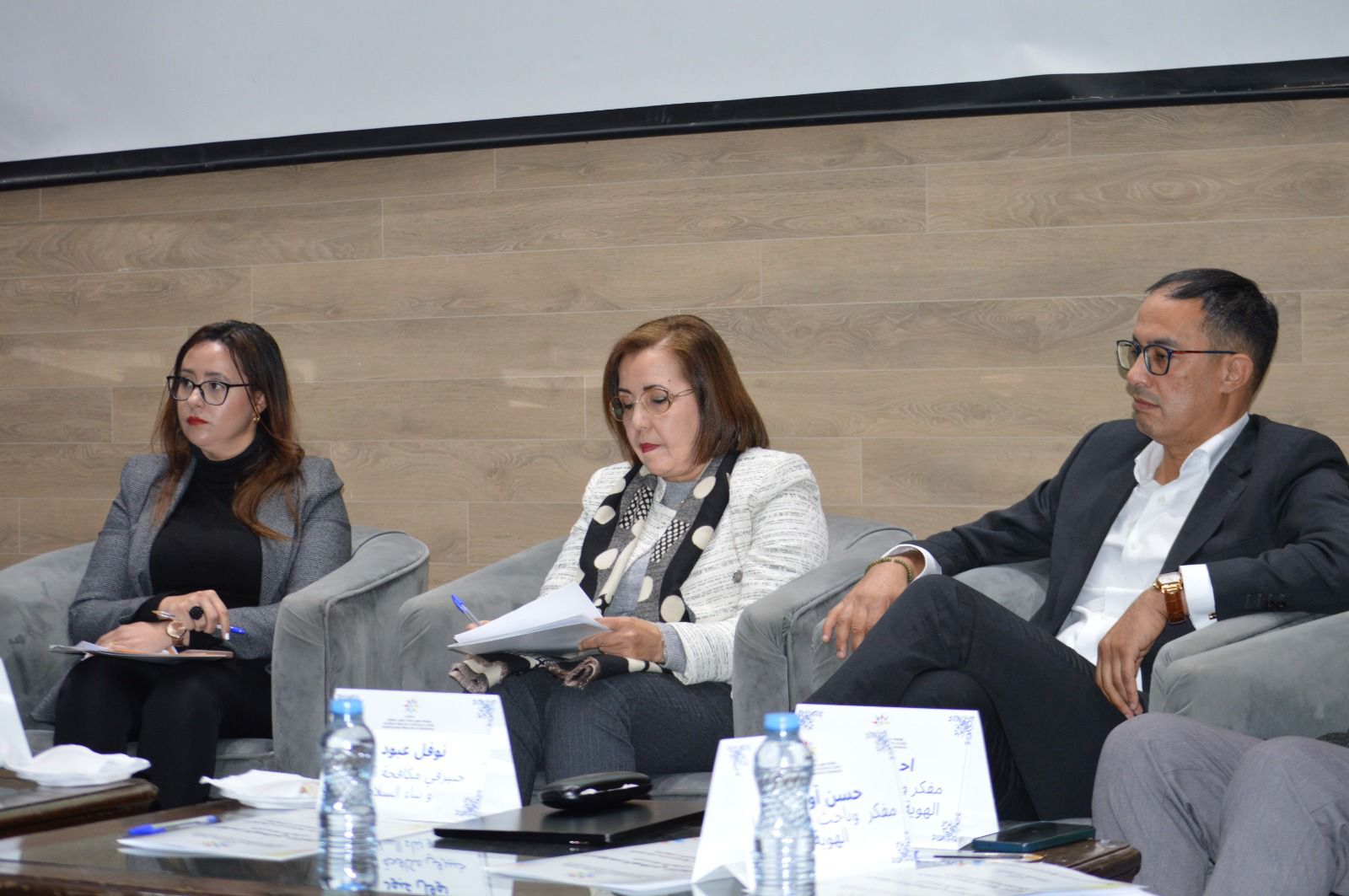
The conference convened a diverse group of researchers, academics, journalists, and civil society practitioners, working on questions of identity, human rights, education, media ethics, and religious and cultural diversity. Moderated by Moroccan journalist Ms. Nosrat Benammar, discussions explored coexistence as both a deeply rooted Moroccan value and a strategic foundation for social cohesion, peace, and resilience.
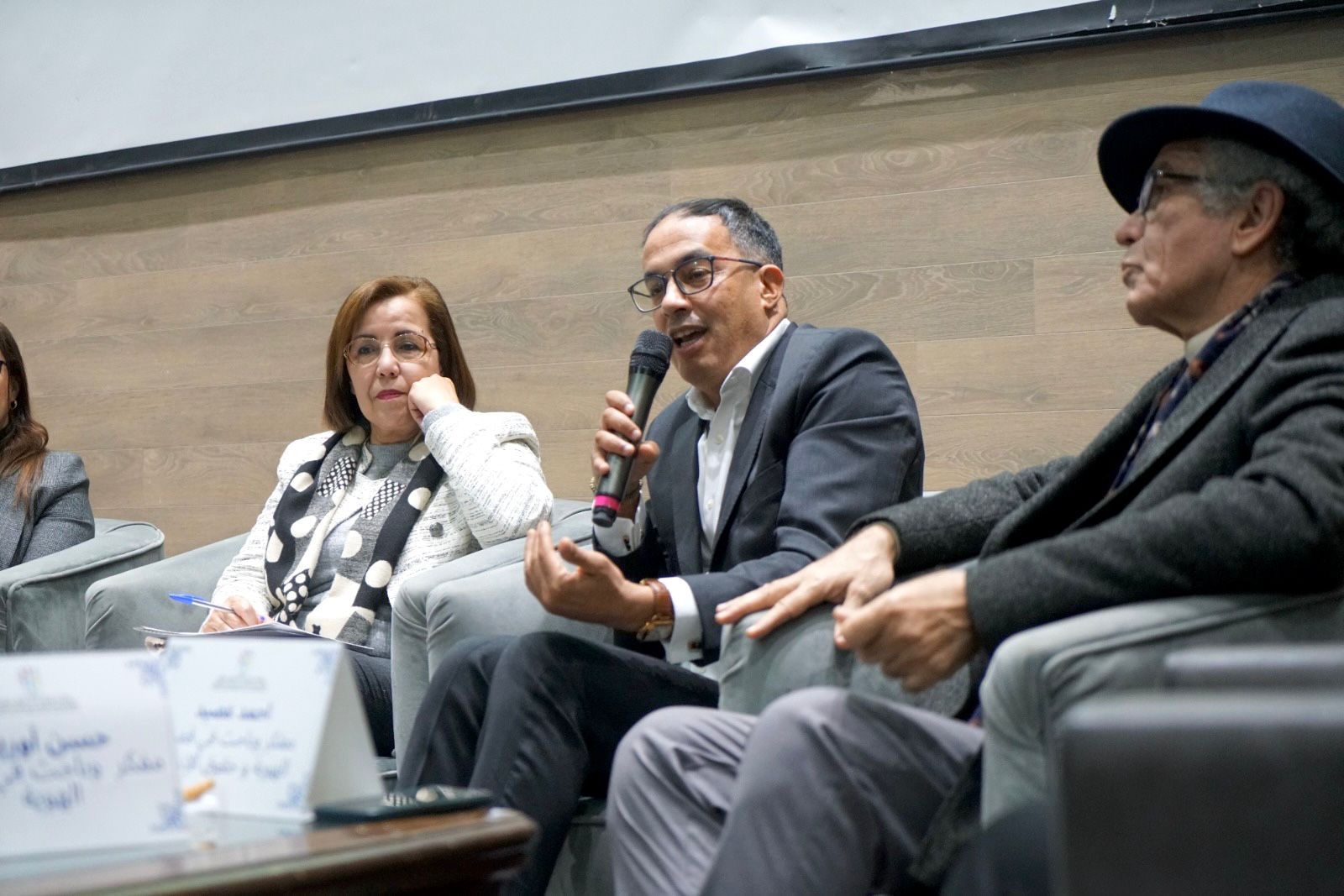
As a keynote speaker, NCCT Executive Director Noufal Abboud brought a perspective grounded in both national realities and global conflict dynamics. He opened with a sharp framing: “Perhaps speaking about coexistence is simply the polite word we use when the world is failing to coexist.”
Mr. Abboud underlined that coexistence is increasingly threatened worldwide by war, polarization, and the growing dominance of power-based approaches to conflict management—where societies manage risks through force rather than shared humanity and dialogue.
Drawing on international data, he noted that in 2024, global monitoring recorded about 61 state-based armed conflicts, the highest number since 1946.
During the same year, attacks targeting civilians contributed to more than 13,900 civilian deaths, a 31% increase compared to the previous year.
He also highlighted that the world’s military expenditure reached $2.718 trillion in 2024, while the global cost of violence was estimated at $19.1 trillion in 2023, equivalent to 13.5% of global GDP.
Against this backdrop, Mr. Abboud stressed that Morocco’s coexistence, anchored in plural identity and long-standing traditions of tolerance, must never be treated as guaranteed. Instead, coexistence must be continuously protected through governance, education, justice, and institutional trust.
Building on NCCT’s expertise in peacebuilding and conflict transformation, Mr. Abboud argued that coexistence cannot be reduced to superficial tolerance. Rather, it is a social, ethical, and political contract grounded in three principles: equality in dignity with no second class citizen, recognition of difference as enrichment, and constructive conflict transformation.
Peace, he emphasized, is not the absence of disagreement, but the presence of institutions and values strong enough to keep disagreement from turning into violence, because while conflict may be inevitable, violence is always a choice.
The conference concluded by reaffirming coexistence as a collective, daily responsibility, built through individual awareness, legal protections, and sustained practices of solidarity. This vision strongly aligns with NCCT’s mission to advance nonviolent conflict transformation, strengthen social cohesion, and promote sustainable peace in Morocco and beyond.